


Zelensky’s 20-Point Peace Plan: Can the New US-Led Proposal Finally End the Russia-Ukraine War?
Honestly, after years of missiles, sanctions, summits, and sleepless nights watching breaking news banners crawl across our screens, everyone is asking the same question: Is this finally the beginning of the end?
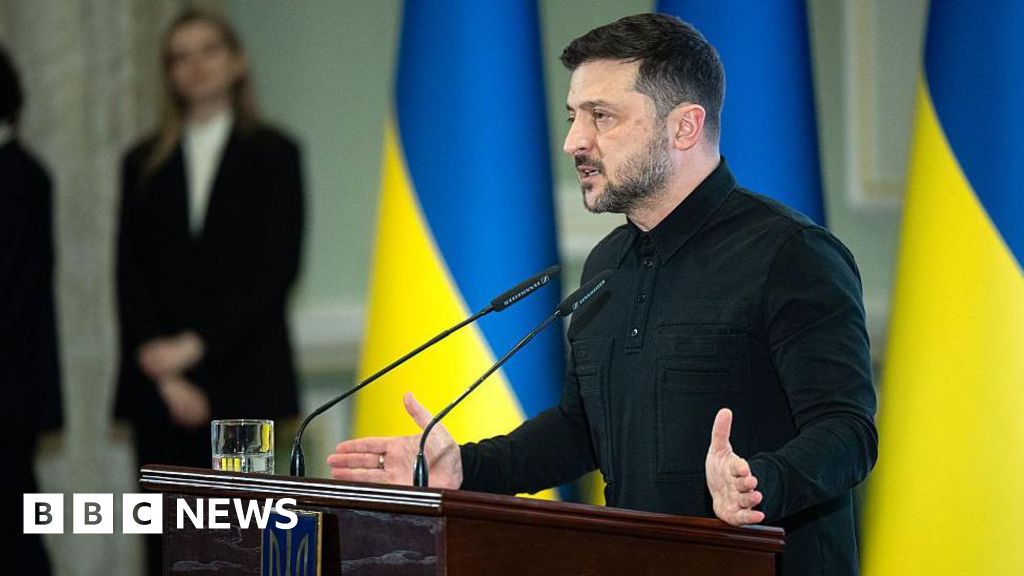
When Volodymyr Zelensky stepped forward again with his updated 20-Point Peace Plan, backed by renewed momentum from the United States, it felt different. Not louder. Not dramatic. Just… serious.
So let’s slow down, grab a mental cup of coffee ☕, and walk through this together—from beginner basics to pro-level geopolitical insight. No jargon overload. No shouting. Just clarity.
Why the World Is Listening Again
By the way, peace plans aren’t new. History is littered with them. Most fade away faster than New Year’s resolutions.
But this one?
It’s landing at a moment when war fatigue is real—for Ukraine, Europe, Russia, and frankly, the global economy.
Inflation, energy shocks, supply chains—this war has been that one pebble in the shoe nobody can ignore anymore.
The Russia-Ukraine War in Simple Terms
Before we dive into the plan, let’s rewind—quickly.
The conflict escalated into a full-scale war in 2022
Ukraine defends its sovereignty
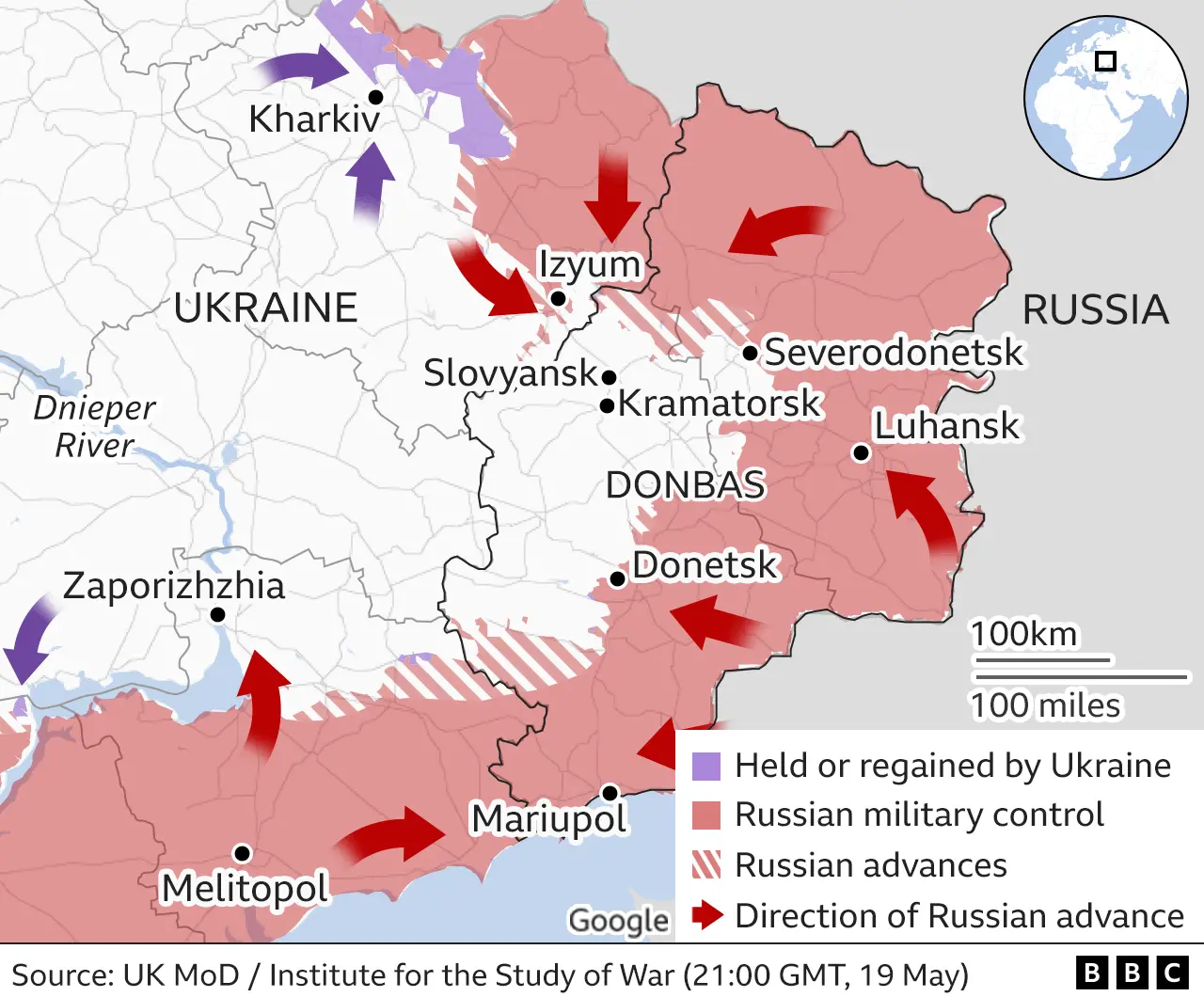
Russia controls parts of Ukrainian territory
The West supports Ukraine financially, militarily, and diplomatically
That’s the short version. Painful, but necessary context.
What Is Zelensky’s 20-Point Peace Plan?
Think of the plan like a 20-lock vault. Peace only happens when every lock opens—not just one or two.
At its core, the proposal focuses on:
Not flashy. Not emotional. Very intentional.
The Core Pillars Explained
1. Territorial Integrity Comes First
Ukraine wants all internationally recognized borders restored. No gray zones. No “temporary” occupations.
Honestly, this is the non-negotiable foundation. Everything else stacks on top of it.
2. Security Guarantees That Actually Mean Something
No more vague promises.
The plan pushes for binding security assurances—think of them as a serious alarm system, not just a “call us if something happens” note.
3. Nuclear and Energy Safety
With nuclear plants near conflict zones, one wrong move could ripple across continents.
This section aims to:
Prevent nuclear accidents
Protect energy infrastructure
Stabilize global energy markets
The US-Led Push: Why It Matters Now
Here’s where things get interesting.
The United States isn’t just supporting Ukraine—it’s quietly coordinating allies, aligning messaging, and nudging diplomatic backchannels.
This matters because:
Washington influences NATO partners
It holds leverage in sanctions
It shapes global diplomatic pressure
In simple words? Peace plans don’t move without American gravity.
Pro-Level Breakdown: The Strategic Calculations
Let’s go deeper. Pro mode on 🎯
Why Zelensky Structured It in 20 Points
Each point targets a different stakeholder:
Some speak to Europe
Others to the Global South
A few directly challenge Russia’s narrative
It’s not just a peace plan—it’s diplomatic architecture.
Why Russia Can’t Easily Ignore It
Even if Moscow rejects parts publicly, the plan:
Frames Russia as the blocker to peace
Builds a legal and moral case
Sets future negotiation benchmarks
Think chess, not checkers.
What Experts Are Quietly Saying
Security analysts point out something subtle but important.
This plan:
Avoids emotional language
Emphasizes international law
Leaves technical doors open for negotiation
In diplomacy, tone is power. And this tone? Calm, firm, patient.
The Real Obstacles (Let’s Be Honest)
Peace isn’t a movie ending. It’s messy.
Major Roadblocks:
Domestic politics on all sides
Military realities on the ground
Anyone promising instant peace is selling fairy dust.
Can This Plan Actually End the War?
Short answer? Not alone.
Long answer? It might be the framework that finally sticks.
Peace often arrives quietly—after exhaustion, economic pressure, and diplomatic alignment converge.
This plan prepares the table. The meal still has to be cooked.
Why This Moment Feels Different
Here’s my personal take.
For the first time in a long while:
The plan isn’t reactive
The language is globally inclusive
The timing aligns with political cycles
It feels less like a plea… and more like a blueprint.
What This Means for the World (Beyond Ukraine)
If successful, the ripple effects would be massive:
Reduced global military tension
Reassertion of international law
Failing that, the plan still shapes how history remembers this war.
FAQs
What is Zelensky’s 20-Point Peace Plan?
A comprehensive proposal outlining security, territorial, legal, and economic steps needed to end the Russia-Ukraine war.
Is the United States officially backing it?
The US supports the framework diplomatically and helps align international partners, though formal negotiations remain complex.
Has Russia accepted the plan?
As of now, Russia has not accepted the full proposal, citing disagreements over territory and security conditions.
Can this plan stop the war soon?
It’s unlikely to end the war immediately, but it may set the foundation for future negotiations and ceasefire efforts.
Final Thoughts: Hope, With Conditions
Honestly, peace plans are like seeds. Some fall on concrete. Some on fertile soil.
Zelensky’s 20-Point Plan?
It’s the most carefully planted seed we’ve seen in a while.
Whether it grows depends on weather, patience, and the willingness of powerful hands to stop pulling it out of the ground.